
Inflation Is a Headline Number. Your Client’s Cost Drivers Tell the Real Story.
Inflation is an important economic indicator, but it is not a complete explanation of what is happening inside a business. When consultants use a headline inflation rate to forecast a client’s expenses, they risk overlooking the different forces that determine how individual costs change. Payroll may be influenced by wage increases and hiring plans, supplier expenses may depend on contract terms, and technology spending may rise because of greater usage rather than higher prices.
The distinction matters when a business is preparing its annual budget, reviewing margins, evaluating a new market or deciding where to reduce costs. A forecast that applies one percentage increase across the entire cost base may be easy to build, but it can hide the pressures that management actually needs to address.
For boutique consulting firms, this creates an opportunity to deliver more useful analysis. Instead of treating inflation as a single assumption, consultants can examine the underlying drivers of each major expense, test how those drivers might change and connect the results to practical business decisions. The objective is not simply to produce a more detailed spreadsheet. It is to help the client understand why costs are changing, which changes are controllable and where action could make a meaningful difference.
Why One Inflation Assumption Can Distort a Cost Forecast
A general inflation rate describes a broad economic trend. A company's cost base, however, reflects its own operating model, suppliers, workforce, purchasing arrangements and growth plans. Two businesses in the same industry can therefore experience very different cost pressures, even when they operate in the same market.
Consider a professional services firm with a large employee base, several software subscriptions, external research providers and regular client travel. Applying the same inflation assumption to all four categories would overlook the fact that each behaves differently. Employee costs may depend on salary reviews, utilisation and hiring. Software expenses may be affected by licence tiers, user numbers and consumption-based pricing. Research costs may be influenced by supplier renewals, while travel expenses may change with project demand and booking patterns.
A single assumption can also conceal the difference between a price increase and a change in activity. If a business spends more on cloud services because its teams are processing twice as many transactions, the increase does not necessarily indicate that the price of cloud services has risen. Similarly, a higher payroll bill may reflect additional hires rather than higher salaries for existing employees.
These distinctions affect both forecasting and decision-making. Without them, a cost increase may be attributed to inflation when the underlying cause is business growth, inefficient utilisation, a change in service mix or a contractual commitment. The resulting recommendations can focus on the wrong problem.
Start With a Reliable Cost Baseline
Before modelling future inflation, consultants need a clear picture of the current cost base. This usually involves reviewing historical expenditure, the latest available financial data, the current budget and any known changes to the business plan. The aim is to establish what the organisation spends, where the spending sits and what operational activity supports it.
A useful baseline separates costs into categories that are meaningful to the client. Depending on the business, these might include employee compensation, external contractors, technology and software, raw materials, logistics, facilities, marketing, professional services and other operating expenses. The level of detail should be sufficient to support decisions without making the analysis unnecessarily complex.
Consultants should also distinguish recurring expenses from one-off items. A temporary implementation fee, a restructuring expense or an exceptional legal cost should not automatically be projected forward as if it were part of the normal run rate. Likewise, annual totals can obscure seasonal patterns, so monthly or quarterly data may be needed where expenditure fluctuates significantly throughout the year.
The baseline should then be reconciled with the business context. Have new employees joined? Has the company entered a new market? Are there supplier contracts due for renewal? Has software usage expanded? Are there planned office changes or new regulatory requirements? These details help establish whether historical expenditure is a sensible starting point for the forecast.
Where the data is incomplete, consultants should make the limitation explicit. An assumption based on an imperfect baseline should not be presented with the same confidence as a figure supported by reconciled financial records and confirmed contract terms.
Map Each Major Cost to Its Underlying Drivers
Once the baseline is established, the next step is to identify what actually causes each cost to change. A cost driver is a measurable factor that explains expenditure, such as headcount, salary per employee, production volume, price per unit, software users, consumption, supplier rates or office space.
For employee costs, relevant drivers may include headcount, average compensation, planned salary adjustments, hiring timing, employee turnover, contractor usage and the mix of seniority levels. A business that expects to hire ten additional employees will have a different payroll forecast from one that plans to keep headcount stable but increase salaries. Separating these factors allows the consultant to model the impact of hiring and compensation decisions independently.
For supplier and procurement costs, the analysis may need to consider contracted rates, renewal dates, purchasing volumes, minimum order commitments, currency exposure and the availability of alternative suppliers. Some contracts contain explicit indexation clauses, while others are renegotiated periodically. The general inflation rate should not be treated as a substitute for reviewing the actual terms that govern a supplier relationship.
Technology expenses require a different approach. Software subscriptions may depend on the number of licences, pricing tiers, usage limits and renewal terms. Cloud expenditure can change with traffic, data storage, compute requirements and architecture decisions. If usage rises faster than the business expected, the appropriate response may involve capacity planning or optimisation rather than a blanket reduction in technology spending.
Travel and facilities costs also have their own drivers. Travel expenditure may depend on the number of client engagements, the location of delivery teams, booking practices and travel policies. Facilities expenses may be influenced by lease agreements, occupancy, energy consumption and the amount of space required. Understanding these factors helps consultants distinguish unavoidable contractual increases from decisions that management can influence.
The right level of detail depends on the client's objectives and the quality of the available data. Not every expense needs a sophisticated model. The priority should be to identify the categories that have a material effect on profitability, cash flow or strategic choices, then investigate their drivers with enough depth to support action.
Separate Price, Volume and Mix Effects
A particularly useful step in cost analysis is to separate changes in price from changes in volume and mix. These effects can appear together in the accounts, but they do not necessarily have the same cause or require the same response.
A price effect occurs when the cost of a particular input changes while the quantity purchased remains broadly constant. A volume effect occurs when the organisation uses or purchases more or less of that input. A mix effect occurs when the business changes the combination of products, services, suppliers or resources it uses. Keeping these effects separate makes it easier to explain what has changed and why.
For example, a consulting firm may report higher external delivery costs because it has taken on more client work and engaged more specialist contractors. The increase may be commercially reasonable if the additional delivery generates profitable revenue. It would be misleading to classify the entire change as inflation and recommend reducing contractor expenditure without examining project demand, utilisation and margins.
The same principle applies to a company whose cloud costs have increased. If transaction volumes have expanded substantially, the increase may reflect business growth. If costs have risen despite stable usage, the consultant may need to investigate pricing changes, inefficient resource allocation or unused capacity. The financial impact may look similar in a monthly report, but the management response should be different.
A clear analysis should therefore explain both the amount of the change and its underlying cause. This makes the final recommendation more credible because it links financial outcomes to operational evidence instead of relying on a broad economic assumption.
Build Scenarios Around the Drivers That Matter
After identifying the main cost drivers, consultants can use them to build a forecast that reflects different possible outcomes. Scenario analysis is particularly useful when supplier renewals, salary decisions, demand levels or technology consumption remain uncertain.
A base case should represent the most reasonable outlook based on available evidence and the client's current operating plan. An upside or lower-cost scenario can test what happens if selected pressures are less severe than expected. A downside or higher-cost scenario can examine the consequences of supplier increases, higher wage growth, weaker productivity or greater-than-expected resource requirements. These scenarios should be grounded in plausible assumptions rather than arbitrary percentages designed to produce a preferred answer.
The analysis should make the assumptions visible. If the forecast assumes a specific salary increase, that figure should be identified as a planning assumption unless it has already been confirmed. If a supplier's renewal price is unknown, the model should distinguish an estimate from a contractual commitment. The consultant should also identify which variables have the greatest effect on the result so that the client knows where additional information would be most valuable.
Sensitivity analysis can help prioritise this work. For example, a business may discover that a modest change in labour costs has a much larger impact on operating profit than a similar percentage change in office expenses. That insight can direct management attention towards workforce planning, utilisation or pricing decisions rather than spreading effort equally across every category.
Forecasts should also be updated as new information becomes available. A scenario is not a promise about the future; it is a structured way to understand uncertainty and prepare for different outcomes. Regularly comparing actual results with the assumptions used in the forecast helps reveal where the model needs to be adjusted.
Turn Cost Analysis Into Practical Management Decisions
A detailed cost model creates value only when it supports a decision. Once the major drivers and scenarios are clear, consultants should connect the analysis to specific actions, expected outcomes and accountable owners.
Some actions may involve renegotiating supplier agreements, consolidating overlapping software subscriptions, reviewing licence allocation, improving purchasing controls or changing how external contractors are deployed. Other opportunities may require a more strategic response, such as adjusting pricing, redesigning a service delivery model, improving workforce planning or changing the timing of planned investment.
It is important to distinguish cost reduction from cost avoidance and efficiency improvement. Cancelling a tool that is no longer used may reduce current expenditure. Negotiating a renewal before a contractual price increase may avoid a future increase. Improving utilisation may allow the business to deliver more work with its existing resources. These outcomes are related, but they should not be presented as interchangeable savings.
Each proposed action should have a clear rationale and a realistic estimate of its impact. Consultants should consider implementation costs, contractual restrictions, operational risks and potential effects on quality or growth. A reduction that damages service delivery or creates a larger cost elsewhere may not represent a genuine improvement.
The final output should help management answer a few practical questions: Which costs are increasing, and why? Which increases are supported by evidence? Which drivers can the business influence? What actions are available, and what trade-offs do they involve? What should be monitored over the next reporting period?
A cost analysis that answers these questions is more useful than a spreadsheet that simply applies an inflation percentage to last year's expenditure.
A Practical Workflow for Boutique Consultants
Boutique consulting teams often need to deliver rigorous analysis within tight project timelines. A repeatable workflow can help maintain quality without adding unnecessary complexity. The process should begin by defining the decision the client needs to make, because the scope of a cost model should reflect the question being answered rather than the amount of data available.
Next, the consultant should assemble the relevant financial and operational information, establish a reconciled baseline and flag any material data gaps. The team can then group expenses into meaningful categories, identify the main drivers for each category and separate price, volume and mix effects where the data allows. The next stage is to develop a base forecast and a small number of evidence-based scenarios, then test which assumptions have the greatest influence on the outcome.
The final stage is to convert the findings into recommendations with clear ownership, timing and monitoring measures. The analysis should make it easy for the client to understand the evidence, challenge assumptions and decide what to do next. A concise executive summary supported by a transparent model is often more valuable than a highly detailed workbook without a clear argument.
Tools can support parts of this process by helping consultants organise cost categories, structure assumptions and explore possible savings opportunities. ConsultantAI provides tools for consulting workflows, including cost-tree analysis resources. Consultants should review the available tool outputs, validate the assumptions against client data and apply professional judgement before using the results in a client recommendation. The tool can support the work, but it cannot replace a review of source data, contractual terms or the operational context.
Forecast the Driver, Not Just the Percentage
Inflation remains an important input to financial planning, but it should be treated as context rather than a universal cost assumption. A credible forecast reflects the specific factors that determine expenditure: the price of inputs, the volume of activity, the mix of resources, the terms of supplier agreements and the decisions management intends to make.
For boutique consultants, this approach creates a clearer path from analysis to action. By establishing a reliable baseline, mapping material cost drivers, separating price from volume and mix, and testing realistic scenarios, consultants can help clients understand the real sources of cost pressure and identify the levers that are most likely to improve performance.
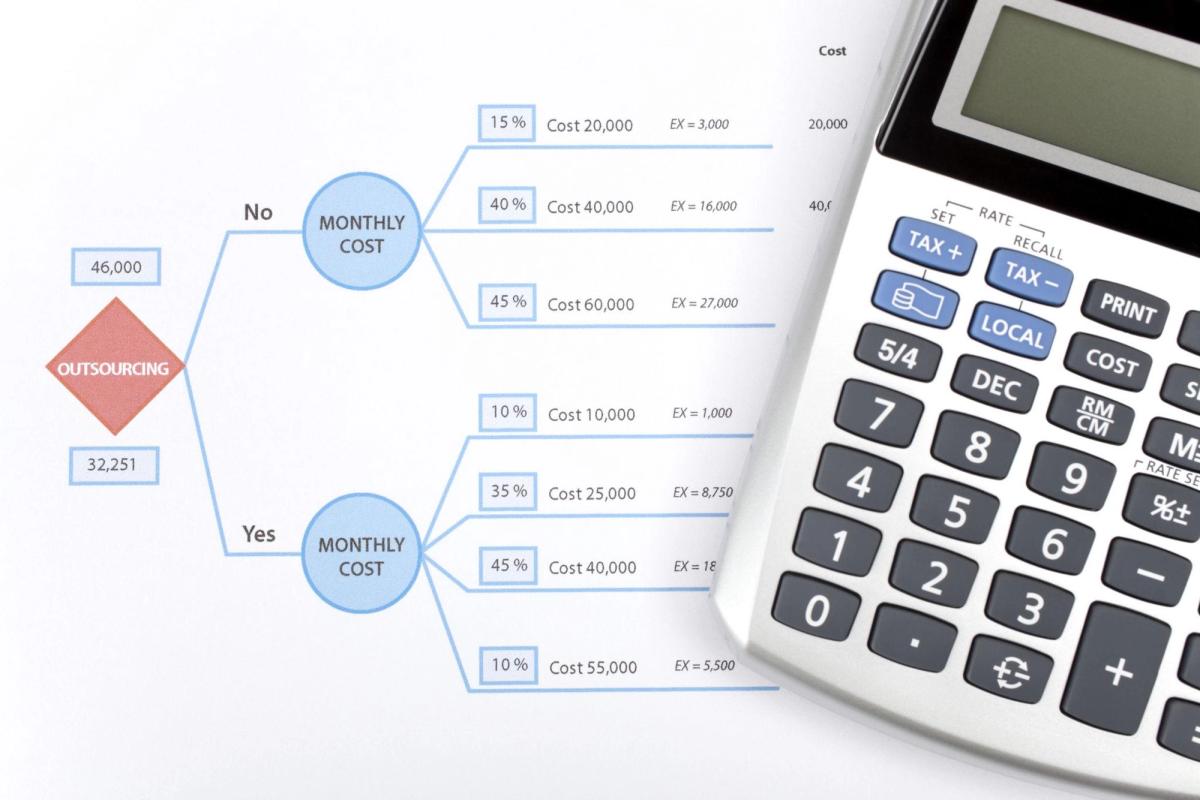
The central question is not simply how much inflation is expected. It is which costs are exposed, what drives that exposure and what the business can realistically do about it. That is where a headline number becomes a useful business discussion.
This article is for general informational purposes and does not constitute financial, investment or professional advice. Forecasts and recommendations should be based on the relevant organisation's data, contractual arrangements and circumstances.
Get new posts and free tools
Join the list: one email when we publish. No spam.